.svg)
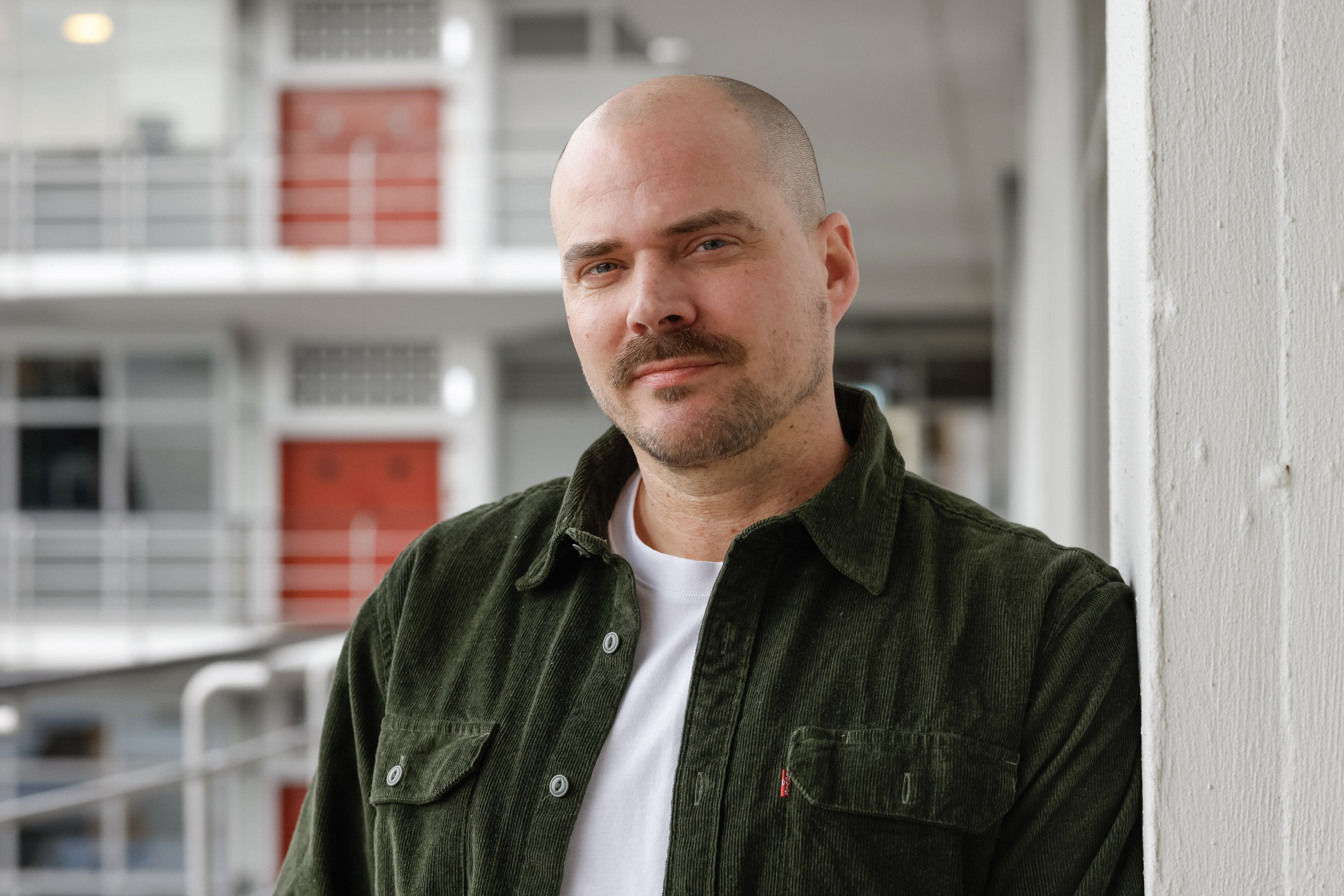
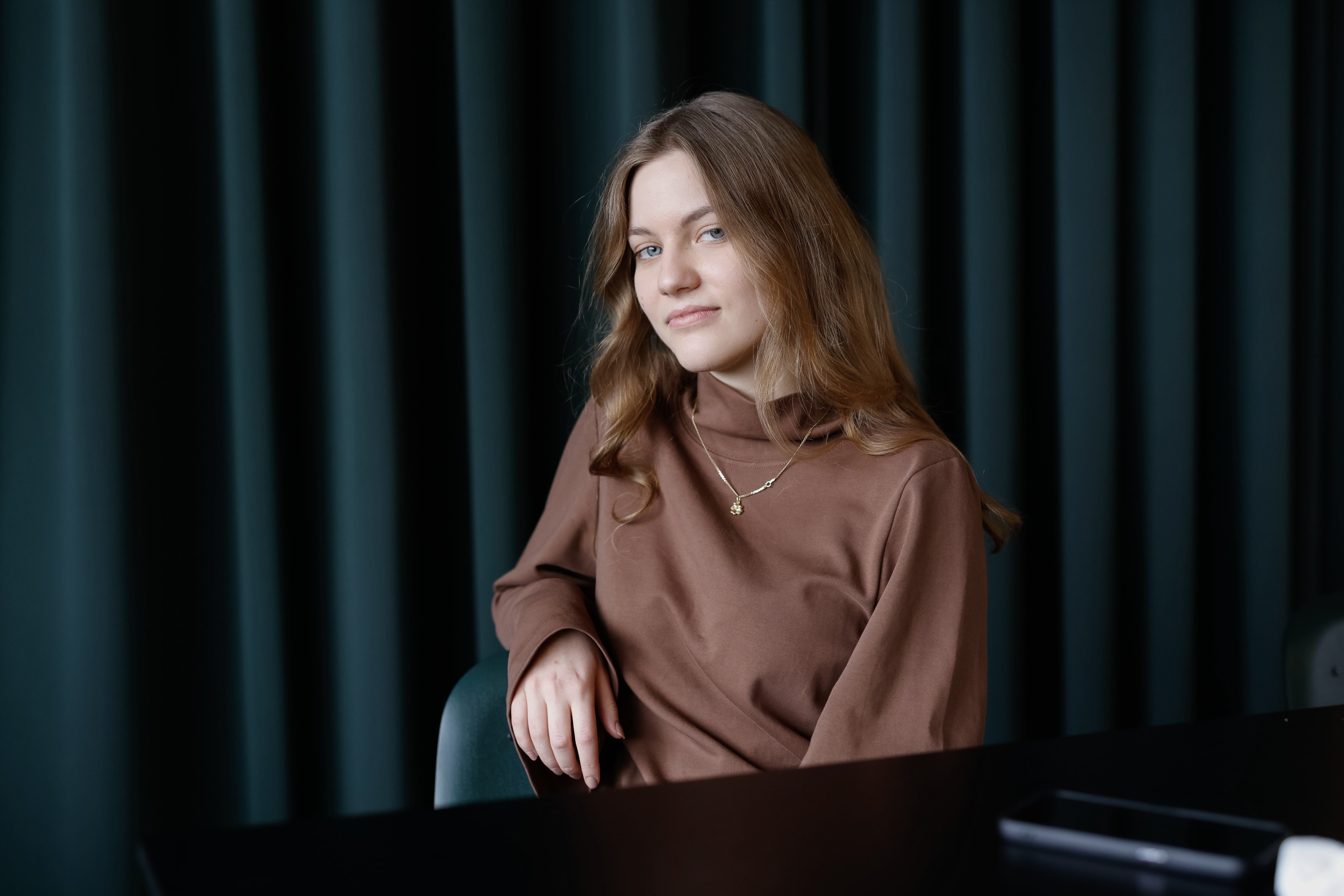
Olga divides her life between Amsterdam and Poland. In Amsterdam, it's all about study, work and looking ahead. There is something different in Poland: family, familiarity, a different pace.
She grew up in Poland, but her world grew bigger early on. At an international high school, she learned to switch between perspectives, between ways of thinking and communicating. As a result, studying abroad did not feel like a leap, but a logical continuation. Amsterdam became her base; a place that not only felt good, but also matched her interest in business and finance, and what she wanted to build afterwards.
Switching between those worlds has now become normal, but it never feels completely obvious. Not only practically, but also culturally. Expectations, pace and how people work with each other differ subtly but noticeably. Perhaps it is precisely this movement, between countries and ways of thinking, that shapes her view on work, technology and the role of companies today.
From first phone to always online
Technology has always been around, but it started small. A simple Samsung with a keyboard, meant to be accessible during school camps. Then a clumsy laptop that she got as a child, and that became her regular place to study, draw and play for years. Now everything is connected. Studying, working and communicating intertwine via screens. That's why she also feels more clearly what it does to her attention.
While at home in Poland, she noticed how natural less screen time can be. Fewer incentives, less automatic reach for a phone. Since then, she has been controlling her usage more consciously: apps no longer visible on her home screen, time limits and fewer posts. Not to distance yourself from technology, but to keep a grip on it.
AI tools like Claude and Gemini fit the same pattern. She uses them to get started faster, to explore ideas or to provide structure. At the same time, she continues to search, compare and deepen herself. In that sense, little has changed; only the pace and the way in which.
Work is more than work
What drives her in work is not in titles or status, but in meaning. Contribute, learn and see that what she does lands somewhere. At Open Commerce, she found that earlier than expected. Not because of big promises, but because of how she was treated from the start. As someone who participates, not someone who watches. From the start, it felt like what I did really counted, and that made all the difference.
That experience is also coloured by the context in which she works. Differences in communication, hierarchy and expectations are not always explicit, but they are tangible. It is precisely because she moves between countries that she notices how relatively “normal” really is — and how important it is for companies to deal with it consciously.
Feeling that you matter appears to be essential. And that is precisely what she believes is often underestimated. Companies invest in visible things, such as culture, branding and facilities, but sometimes forget how fundamental it is to take people seriously in their work. There is a clear expectation for her generation. Not necessarily working less hard, but more consciously. Understanding why something is being done and what the impact is. Being seen, not just deployed.
She sees a similar tension in e-commerce. Companies are looking for structure and scale, while practice requires flexibility. Customers differ, the context changes continuously and strategies must evolve accordingly. Especially in an international context, that difference becomes more visible. What works in one market does not automatically catch on in another. Cultural nuances, such as how people make choices, build trust or want to be addressed, play a larger role in this than is often assumed. The companies that stand out are not necessarily the loudest, but the ones that feel good when to adapt and when to give direction.
Sustainability, pressure and the world around her
For her, sustainability is not a separate theme, but something that involves small choices. Where something comes from, how it was made and whether a company takes responsibility. Not perfect, but aware. The same awareness is also at play on a larger scale. The world feels close. Conflicts, political tensions and leadership are not abstract themes, but something that comes in more directly, especially with Poland so close to the border with Ukraine.
“We get used to constantly switching between work, social media and everything that happens in the world, but sometimes that feels quite tough.”
At the same time, there is another pressure, which is less visible but constantly present. The continuous stream of performance via LinkedIn and Instagram. Success that is always visible and always seems close by. Comparing is automatic, even if you know it's not realistic. She notices that she is learning to deal with that more consciously, but it does not disappear. It's part of this time. According to her, what is often misunderstood is that this does not lead to inaction. On the contrary. Her generation wants to work, learn and prove themselves. Digital tools accelerate that process, but do not replace that motivation.
What companies often miss
According to her, what companies still show too little is who they actually are. Not as a brand, but as a group of people. People want to understand who they're dealing with. Even a company with a seemingly simple product can become interesting if it shows who works, how they think, and why they do what they do. And that is even more true when you operate internationally. What is obvious in one culture may seem distant or unclear in another. That's where small differences make the big difference.
This is also the link with e-commerce and digital experiences. Products and platforms are becoming increasingly efficient, but that is why the human difference is becoming more important. Why choose this brand and not another one that basically offers the same thing? Stories make that difference. Not perfectly produced campaigns, but something that feels real.
Looking ahead, she sees AI as a logical next step. Not as something that changes everything, but as something that makes processes smoother: less searching, less noise, more relevance. And maybe that's also the crux of how she looks at progress. Not as something that adds more and more, but as something that creates space.