After the sale, a whole process kicks off to finalise and produce the order. That has always been the hard part of printing online, and it is defined by process, not technology. Three things we see everywhere:
Artwork is hard. Find the balance between automation and enabling humans where it pays off.
artworkLead times depend on stock and suppliers. Getting them right takes an iron grip on both.
stockLess is more with options. Every variation you offer is one more thing to support.
approvalWhatever process the software enforces has to match the work actually being done, edge cases included. Otherwise people find workarounds, and that is where orders go wrong and deliveries go late.
So we never look only at the webshop. We connect the whole vertical, from customer contact to stock to the production floor, and make every step measurable. The goal is simple: orders ship on time, and products are available when someone orders them.
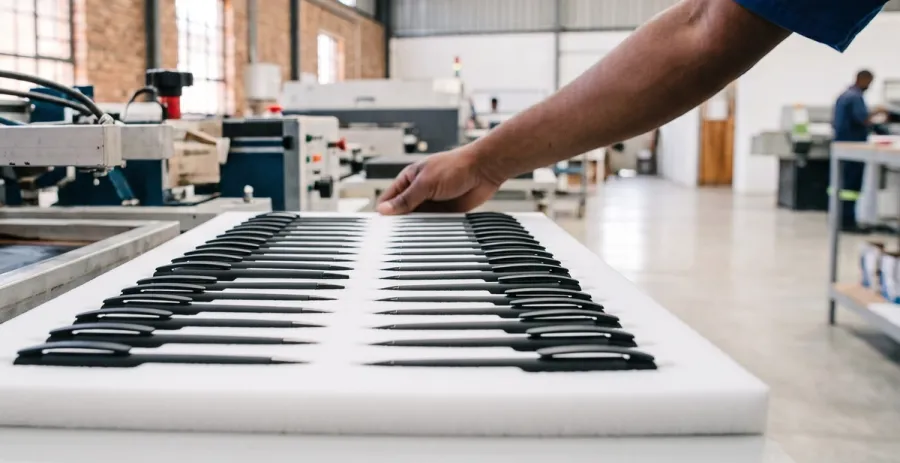
promotional products and corporate gifts
One home-built system was webshop, ERP and CRM at once. We paused a planned replatforming, mapped the real order process with every department, then built a composable landscape on Shopware, HubSpot and a WMS, core processes first.

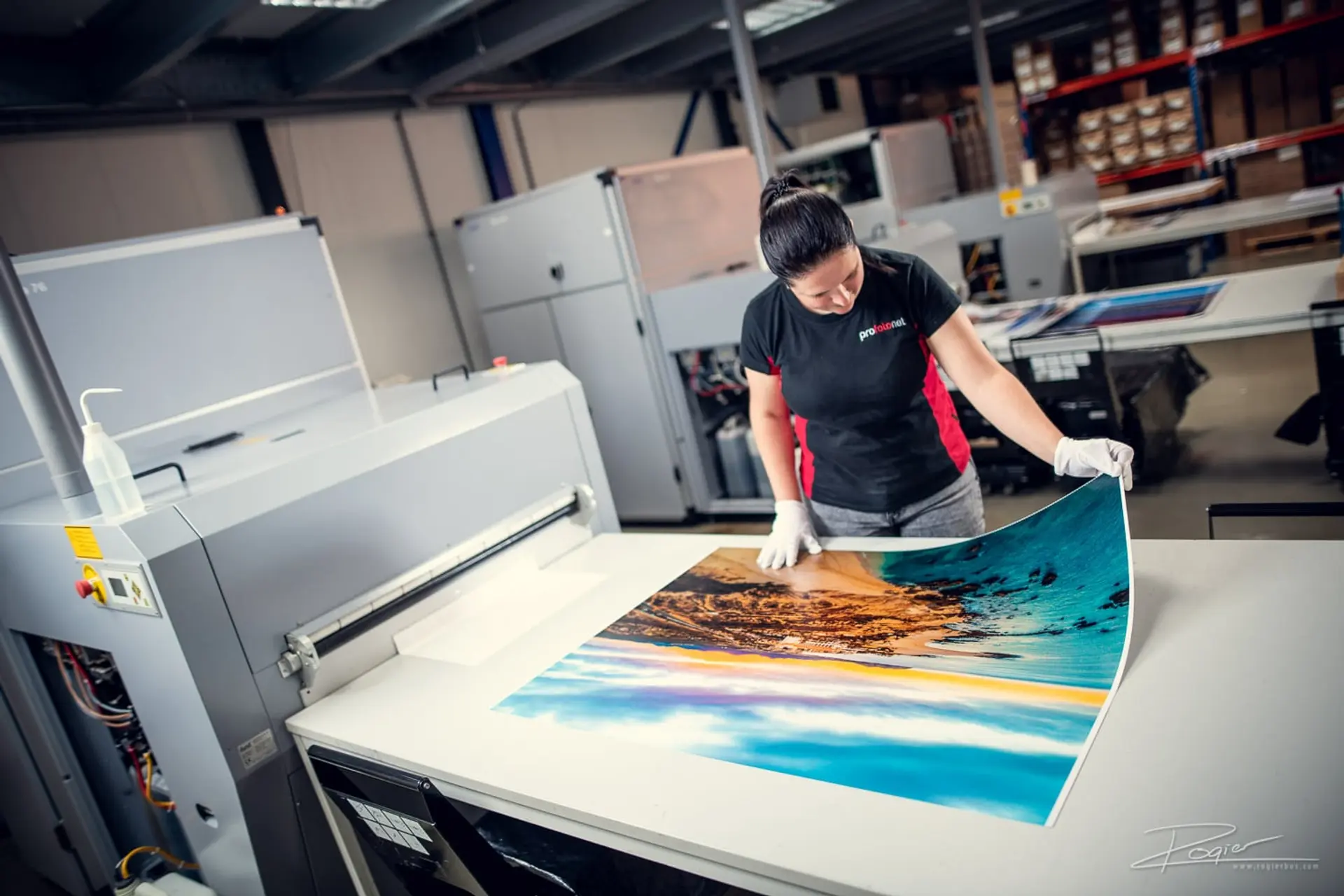
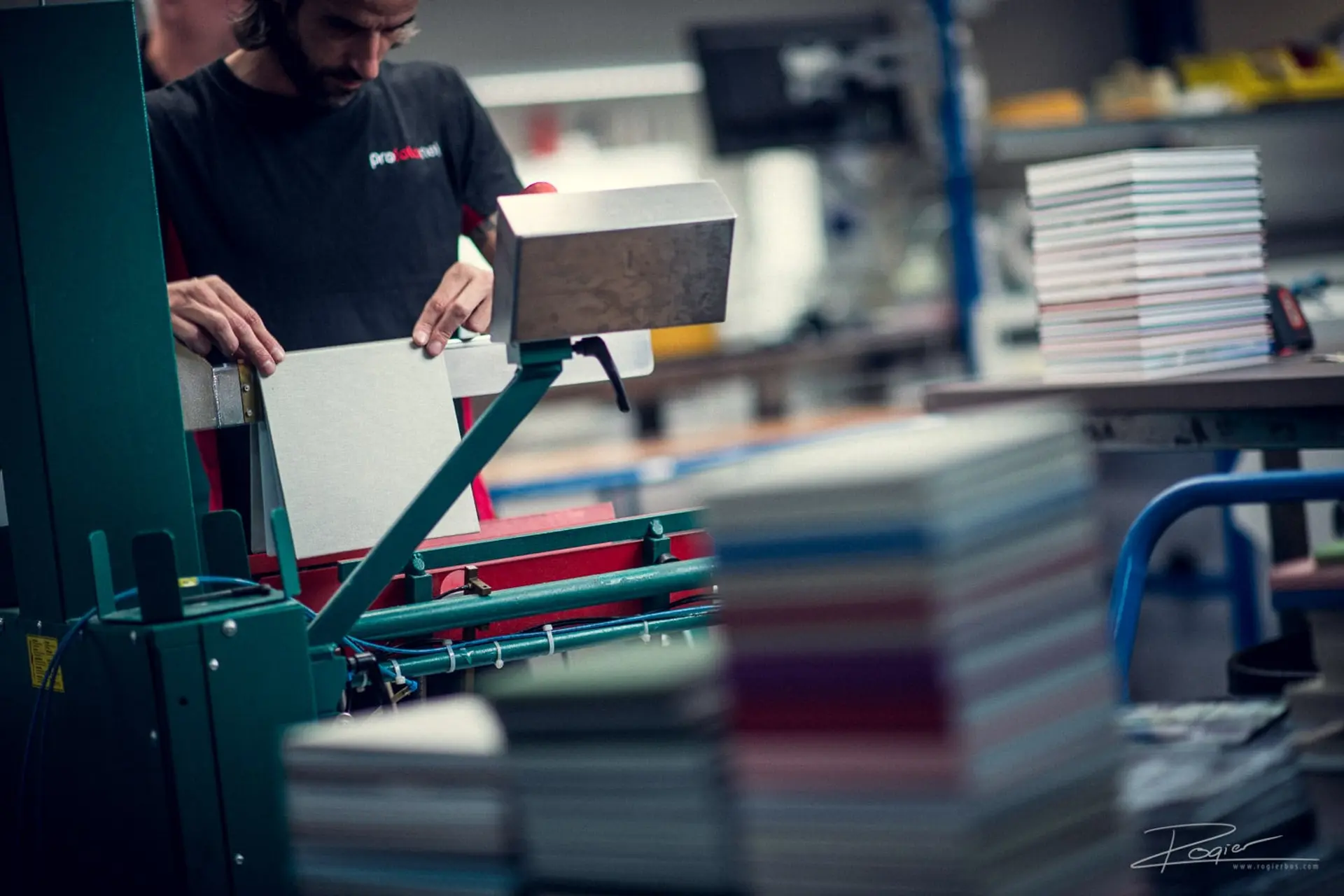
poster-size photo prints
Every poster order is a stack of choices: size, material, finish, framing. We mapped the workshop's process, shortlisted platforms and scored them on operational fit and total cost. Nothing was built. Profotonet chose knowing exactly why.

custom team uniforms, United States
Team stores ran on spreadsheets, email and web forms, and every launch took dozens of handoffs. After close to three months of process discovery: Adobe Commerce, a headless product configurator and a Microsoft Dynamics integration. New team stores and garment proofs now take minutes.
Seven places that determine if a print product is profitable or if all margin is lost: preparation time, print failures, artwork, consumables, complaints, stock, lead times, and old price agreements.
The playbook gives you actionable insights that you can apply starting next Monday.
Choosing a platform, replacing an ERP integration, or watching a process that stopped scaling? Pick a slot and we'll talk about how orders actually move through your business.
